
Indian food is all about bold flavours, aromatic spices, and incredible variety. If you’re new to it, the menu can feel overwhelming at first curries, tandoori dishes, rice, breads, street food, vegetarian options, and regional specialties all waiting to be explored.
For diners in Mindarie, Indian restaurants bring this variety right to your doorstep. The experience isn’t just about eating; it’s about discovering how spices, cooking techniques, and traditions come together to create something memorable.
So, what should you expect when dining at an Indian restaurant in Mindarie? Let’s take a journey through the flavours, textures, and traditions that make Indian cuisine so unique.
What Makes Indian Cuisine So Diverse?
There isn’t one single “Indian food.” Every region, community, and even household has its own style.
- Northern India: Known for tandoori meats, naan, rich curries, and creamy gravies.
- Southern India: Famous for dosas, idli, sambar, and rice‑based dishes with a different spice profile.
- Western and Eastern India: Each has distinctive ingredients and cooking styles.
This diversity means an Indian restaurant menu can feel like a culinary tour. You might start with a light street‑food snack, move on to a smoky tandoori starter, share a curry with naan, and finish with a rice‑based dessert. For first‑time diners, this variety is part of the fun.
Understanding the Flavours in Indian Food
Indian food is often described as “spicy,” but spicy doesn’t always mean hot. It’s about layers of flavour.
- Cumin adds warmth and earthiness.
- Cardamom brings fragrance and a touch of sweetness.
- Turmeric gives colour and subtle depth.
- Coriander adds freshness and citrus notes.
- Garam masala ties everything together with warmth and complexity.
- Chilli adds heat but the level varies widely.
That’s why two curries can taste completely different even if they share some of the same ingredients.
Indian Street Food: A Great Way to Start
Street food is a huge part of Indian food culture and a fun way to begin your meal.
Think of dishes like pani puri, papdi chaat, pav bhaji, or samosas crunchy, tangy, spicy, and refreshing all at once. They’re perfect for sharing, letting everyone at the table try a mix of flavours before diving into the mains.
Tandoori Cooking: What Makes It Different?
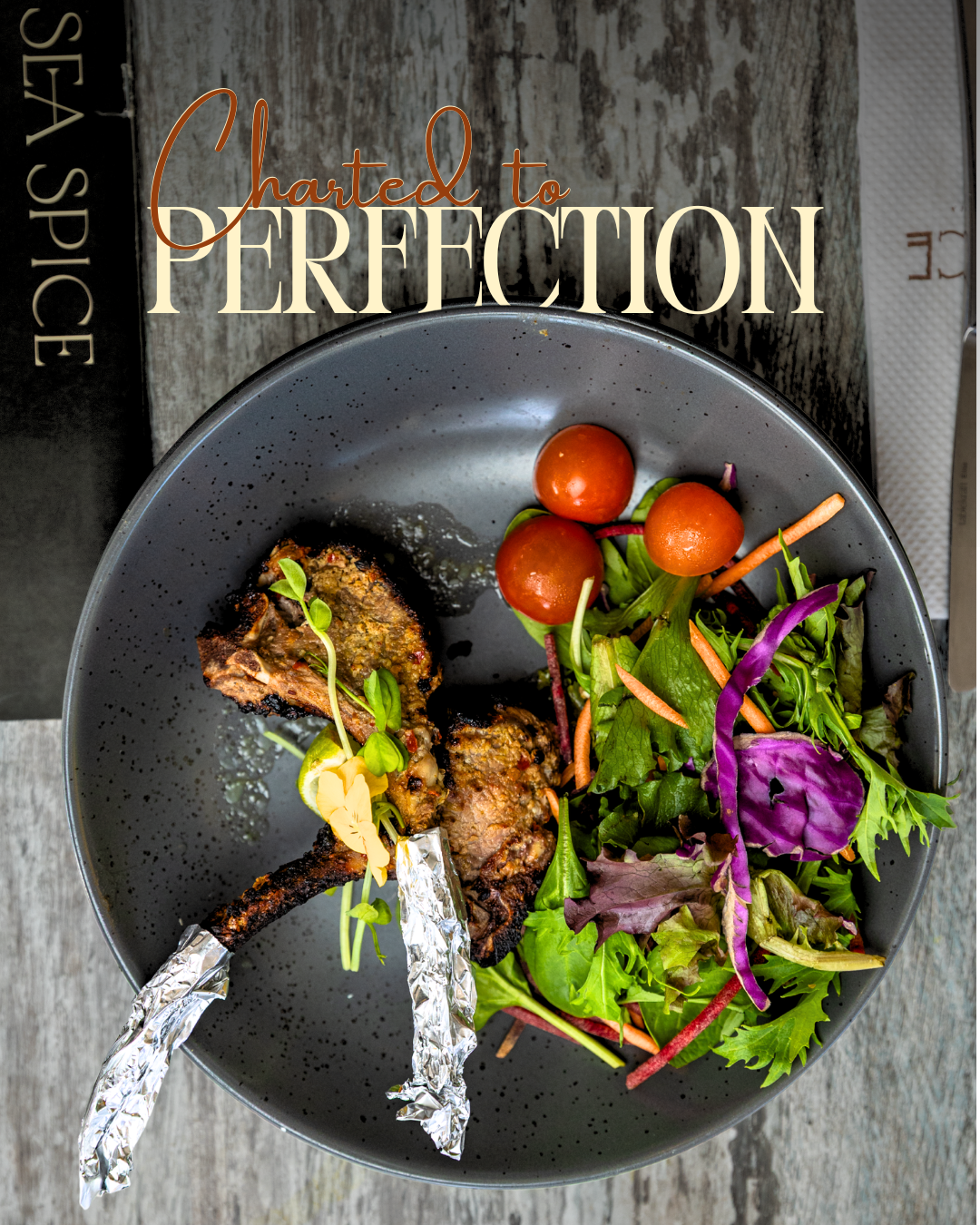
The tandoor, a traditional clay oven is one of India’s most iconic cooking methods. Food cooked in it develops a smoky flavour while staying moist inside.
Tandoori menus often include:
- Chicken
- Lamb
- Fish or prawns
- Paneer (Indian cottage cheese)
- Vegetables
- Mixed platters
These dishes are great for anyone who enjoys grilled food or wants something lighter than curry. They also make excellent starters to share.
Curries: More Than Just One Type of Dish
“Curry” isn’t one dish it’s a whole category.
- Some are creamy and mild.
- Others are tomato‑based, tangy, spicy, or slow‑cooked.
- Proteins range from chicken and lamb to seafood, paneer, lentils, or mixed vegetables.
The sauce and cooking method matter just as much as the main ingredient. If you’re unsure, ask the restaurant staff about flavour profiles and spice levels they’ll guide you toward something you’ll enjoy.
Vegetarian Indian Food Has Plenty of Variety
Indian cuisine is a paradise for vegetarians. Options include:
- Paneer
- Lentils
- Chickpeas
- Potatoes
- Cauliflower
- Spinach
- Peas and beans
Paneer is especially popular mild in flavour, firm in texture, and versatile enough for curries or grilled dishes. Lentil‑based dishes, like dal, offer earthy comfort. Adding a vegetarian dish alongside meat or seafood creates balance at the table.
Don’t Forget the Bread
Bread is essential in Indian dining. It’s not just a side it’s how you scoop up curries and sauces.
Options include naan, garlic naan, butter naan, roti, and paratha. Naan is soft and chewy, roti is lighter, and garlic naan adds punchy flavour. Sharing a couple of breads makes the meal more interactive and enjoyable.
Rice and Biryani
Rice is another cornerstone.
- Plain basmati rice lets curry flavours shine.
- Biryani is a layered rice dish cooked with aromatic spices and proteins like chicken, lamb, seafood, or vegetables.
Biryani is fragrant, rich, and often the star of the table. Pairing curry with rice gives you a satisfying mix of textures.
How to Choose Your Meal If You’re New to Indian Food
If it’s your first time, don’t overcomplicate it. Build your meal around a few categories:
- Start with a starter — maybe a tandoori dish or street‑food snack.
- Pick a main curry — mild and creamy if you prefer gentle flavours, spicier if you like bold tastes.
- Add bread or rice — naan for richness, rice for lightness.
- Share dishes — Indian food is meant for sharing, so order a mix and taste everything.
What If You Don’t Like Very Spicy Food?
No problem. Indian food isn’t all about chilli. Many dishes focus on aroma and depth of flavour. Just ask the staff for mild options they’ll guide you. Remember, spice doesn’t equal heat. A dish can be full of spices without being fiery.
What If You Love Spicy Food?
If you enjoy heat, Indian food has plenty to offer. But spice levels vary, so check with the restaurant. They’ll point you toward dishes that deliver the kick you’re looking for.
Enjoying Indian Food in Mindarie
Mindarie offers a convenient spot for northern Perth diners to explore Indian cuisine.
Sea Spice Indian Restaurant is one local option where you can try everything from street‑food starters and smoky tandoori platters to curries, rice, breads, and vegetarian favourites.
The best way to enjoy it? Mix and match. Start small, share dishes, and let the variety surprise you.
Making the Most of a Shared Indian Meal
Indian food shines when shared. A group could order:
- Starters
- A tandoori dish
- A vegetarian curry
- A meat or seafood curry
- Rice
- A couple of breads
This way, everyone gets to try different flavours and spice levels. Families especially benefit from this approach kids can stick to milder dishes while adults explore bolder ones.
Why Indian Dining Works Well for Groups
Indian food is naturally flexible. Meat, seafood, vegetarian, mild, spicy there’s something for everyone. That makes it perfect for:
- Family dinners
- Group celebrations
- Casual meals with friends
- Date nights
- Business dinners
- First‑time experiences
Instead of everyone ordering the same thing, the table becomes a feast of variety.
Final Thoughts
Indian cuisine is far more diverse than many people realise. From street food and tandoori grills to regional curries, vegetarian dishes, breads, and rice, there’s always something new to discover.
If you’re looking for Indian food in Mindarie, don’t just think “curry and naan.” Explore the menu, ask for recommendations, and share dishes with your group.
At Sea Spice Indian Restaurant, you’ll find the perfect setting to try something new, enjoy familiar favourites, and discover why Indian food is best experienced together.
Frequently Asked Questions
Q1. What type of Indian food can I find in Mindarie? Menus often include curries, tandoori dishes, vegetarian options, breads, rice, and street‑food snacks. Each restaurant may vary, so check before visiting.
Q2. Is Indian food always spicy? No. Indian food ranges from mild and creamy to hot and fiery. Many dishes focus on aroma and flavour rather than chilli.
Q3. What should I order at an Indian restaurant for the first time? Start with a starter, choose one curry, add rice or naan, and share dishes if you’re dining with others.
Q4. What is tandoori food? Tandoori food is cooked in a clay oven at high heat, giving meats, seafood, paneer, and vegetables a smoky flavour.
Q5. Is Indian food suitable for vegetarians? Yes. Indian cuisine offers a wide range of vegetarian dishes paneer, lentils, chickpeas, potatoes, and more.
Q6. What goes well with an Indian curry? Naan, roti, and rice are the most common pairings. Naan is great with rich sauces, while rice complements almost any curry.