
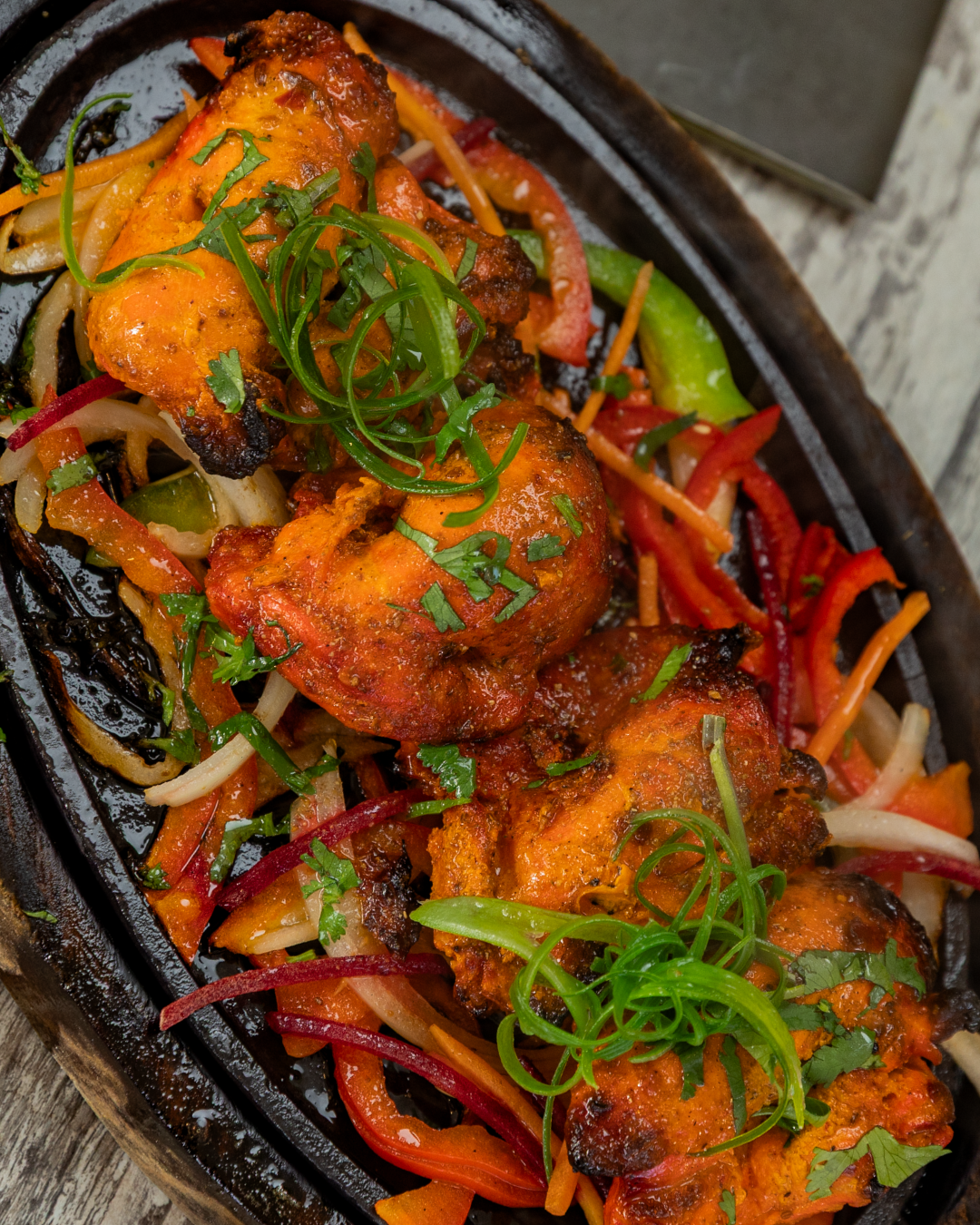
Looking at an Indian restaurant menu can feel like stepping into a feast of endless choices curries, smoky tandoori dishes, fragrant rice, soft breads, colourful vegetarian options, and starters you may never have tried before.
The good news? You don’t need to be an expert to put together a meal that feels balanced and exciting. A few simple pairing principles can help you avoid ordering dishes that taste too similar and instead create a table full of variety.
Whether you’re dining with family, sharing food with friends, or trying Indian cuisine for the first time, this guide will help you understand how different dishes complement each other. And if you’re visiting an Indian restaurant in Mindarie, these ideas will make exploring the menu even more enjoyable.
Why Food Pairing Matters in Indian Cuisine
Indian meals are built around contrast.
- A rich curry might be balanced by plain rice.
- A spicy dish might be paired with something cooling.
- A smoky tandoori starter can set the stage for a creamy curry.
This variety is what makes Indian food so perfect for sharing. Instead of ordering several dishes that all taste alike, you can create a spread with different flavours, textures, and levels of richness.
A well‑balanced table might include:
- A light or crunchy starter
- A grilled or tandoori dish
- One rich curry
- One lighter or vegetable‑based dish
- Rice
- One or two breads
You don’t need all of these every time the idea is simply to mix things up.
How to Choose Indian Starters
Starters set the tone for the meal. If you’re ordering for a group, pick two contrasting starters rather than multiple versions of the same dish.
Street‑Food Starters
Indian street food is playful and packed with flavour. Think pani puri, papdi chaat, samosas, or pav bhaji dishes that combine tangy, crunchy, spicy, and fresh elements in one bite. They’re perfect for sharing and for introducing newcomers to Indian cuisine.
Tandoori Starters
Tandoori dishes are cooked in a traditional clay oven, giving them a smoky, charred flavour. Options often include chicken, lamb, seafood, paneer, or vegetables. If your main course will be saucy and rich, a grilled starter provides a nice contrast.
Pairing Curries with Indian Breads
Bread is more than a side in Indian dining it’s how you scoop up curries and savour the sauce. Each type creates a slightly different experience.
- Garlic naan with rich curries: Its bold flavour pairs beautifully with creamy or strongly spiced curries. Tear it apart and scoop up the sauce it’s a crowd‑pleaser.
- Plain naan with spice‑heavy dishes: When your curry is already packed with flavour, plain naan offers balance without competing.
- Roti with lighter meals: Roti is thinner and lighter than naan, making it a good choice if you want bread without too much richness.
- Paratha for indulgence: Flaky and substantial, paratha adds richness to the meal and works well with milder curries.
Choosing Rice for Your Meal
Rice is the quiet hero of Indian meals.
- Plain basmati rice: Simple and fragrant, it lets curry flavours shine.
- Biryani: A showstopper in its own right — layered rice cooked with spices and proteins like chicken, lamb, seafood, or vegetables. It’s aromatic, filling, and often the centerpiece of the table.
If you’re dining with a group, pairing one curry with rice and another with bread creates variety and balance.
Pairing Rich Curries with Lighter Dishes
When planning your meal, think about balance.
- If you choose a creamy butter chicken, pair it with a lighter lentil dish.
- If you order a spicy lamb curry, balance it with plain rice or roti.
- If you go for a smoky tandoori platter, follow it with a curry that’s aromatic rather than heavy.
This way, your table feels varied and satisfying rather than overwhelming.
Pairing Chicken, Lamb and Goat Curries
Different meats bring different flavours to the table.
- Chicken: Versatile and works with mild or spiced curries. A great starting point for newcomers.
- Lamb: Rich and aromatic, perfect with basmati rice or naan.
- Goat: Deeply flavoured and substantial, best paired with simple rice or bread to keep the meal balanced.
Pairing Vegetarian Dishes
Vegetarian dishes aren’t just alternatives — they’re stars in their own right. Paneer, lentils, chickpeas, and vegetables add colour and variety.
For example, a group could combine a chicken curry with paneer and a lentil dish. This ensures everyone has something to enjoy and balances the richness of meat‑based curries.
Pairing Seafood with Rice
Seafood curries often have lighter, aromatic, or coconut‑based flavours. Rice allows those flavours to shine. If you’re ordering seafood, keep starters simple so the main dish remains the focus.
How to Pair Food Based on Spice Level
Spice level matters.
- If everyone enjoys heat, go bold.
- If some prefer mild flavours, balance the table: mild curry + medium curry + spicy starter.
Always ask the restaurant about spice levels menu descriptions don’t always tell the full story.
Pairing Food for a Family Dinner
Family meals work best when dishes are shared. A simple spread could include:
- One starter
- One tandoori dish
- One chicken curry
- One vegetarian curry
- Rice
- Naan
This way, children and adults have options, and spice levels can be adjusted for everyone.
Pairing Food for a Group Dinner
For larger groups, variety is key.
- 2–3 starters: Mix textures one street‑food snack, one grilled dish.
- 2–3 curries: Different proteins and flavour profiles.
- 1–2 vegetarian dishes: Adds balance and ensures options for everyone.
- Rice and breads: Enough to share across the table.
Sharing makes the meal more interactive and fun.
A Simple Indian Food Pairing Guide
If you’re still unsure, here are some easy combinations:
- First‑time diner: Tandoori starter + mild curry + naan + basmati rice
- Rich flavour lover: Tandoori starter + chicken or lamb curry + garlic naan
- Vegetarian: Street‑food starter + paneer dish + lentil curry + roti
- Seafood fan: Light starter + seafood curry + basmati rice
- Family: Shared starter + tandoori dish + mild curry + vegetable dish + rice + naan
Exploring Indian Food at Sea Spice in Mindarie
If you’re looking for Indian food in Mindarie, Sea Spice Indian Restaurant offers a menu that lets you explore every corner of Indian cuisine street‑food snacks, smoky tandoori dishes, curries, vegetarian options, rice, and breads.
You can build your meal around what you love, add something new, and share dishes across the table. That’s often the easiest way to discover a new favourite.
Don’t Be Afraid to Ask for Recommendations
If you’re unsure, ask the restaurant team. They’ll guide you based on your preferences.
- “I prefer mild, creamy dishes. What would you recommend?”
- “I enjoy spicy food and grilled meats. What should I try?”
A quick conversation can make ordering much easier.
Final Thoughts
Indian food is at its best when you think of the meal as a combination, not just individual dishes. A rich curry with simple rice, a smoky starter with a creamy main, a vegetarian dish alongside meat it’s about balance and variety.
There’s no single “correct” pairing. The best combination depends on what you enjoy, how adventurous you feel, and whether you’re eating alone or sharing with others.
If you’re exploring Indian food in Mindarie, start with familiar flavours, add something new, and don’t be afraid to ask for recommendations. You may discover that the most enjoyable part of the meal is trying something you wouldn’t normally order.
Frequently Asked Questions
Q1. What goes well with an Indian curry? Naan, roti, and basmati rice are common accompaniments. Rich curries often pair well with naan, while rice complements a wide range of sauces.
Q2. What should I order at an Indian restaurant for the first time? Start with a shared starter, one mild curry, naan, and rice. If you’re dining with others, order a mix to taste different flavours.
Q3. Does naan go better with curry or rice? Naan and rice serve different purposes. Naan is perfect for scooping up thick sauces, while rice works beautifully with curry‑based dishes.
Q4. What should I pair with biryani? Biryani is already a complete dish. A simple side like raita or a light starter complements it without overwhelming the flavours.
Q5. What Indian food is good for sharing? Starters, tandoori platters, curries, vegetarian dishes, biryani, rice